Has the euro led to more bankruptcies in Bulgaria?
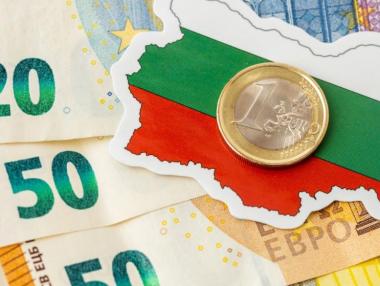
The introduction of the euro in Bulgaria sparked widespread speculation about the potential consequences of the process, none of which actually materialized
The euro does not create trust – it reinforces it. The Governor of the Bulgarian National Bank (BNB) Dimitar Radev stated this during a high-level event
Inflation in Bulgaria will accelerate this year driven by rising labor costs and strong private consumption
The international credit rating agency Fitch Ratings has affirmed the country’s long-term foreign currency rating at “BBB+” with a stable outlook
Labor costs for private enterprises in Bulgaria have increased by 407% in the last 10 years alone. This statistic, which does not include state, government, or municipal institutions
The caretaker government attempted to outline measures it will take to assist households and businesses due to higher fuel prices
Bulgaria must return €250 million to the European Commission, Finance Minister Georgi Klisurski said. This is part of the third payment under the Recovery Plan
The Bulgarian economy grew by 3% in the fourth quarter of 2025. This became clear after the first revision by the National Statistical Institute (NSI)
Bulgaria’s foreign debt increased by over €7 billion during 2025. As of December 31, 2025 it amounted to €25.3 billion while on the same date in 2024 it was €18.1 billion
The government postponed indefinitely the increase in tolls that was supposed to take effect on March 1, 2026. The news came as a surprise from acting regional minister Angelina Boneva