Inflation in Bulgaria Is Slowing, but Remains the Second-Highest in the Eurozone
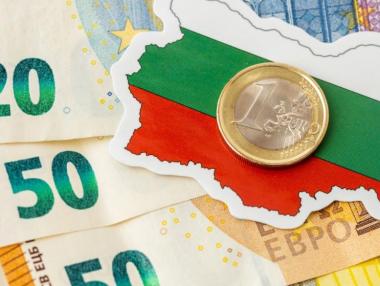
Inflation in Bulgaria continues to slow, but remains one of the highest in the eurozone. According to flash estimates from Eurostat
The European Commission (EC) transferred €896 million to Bulgaria as the fourth payment under the Recovery and Resilience Facility (RRF)
The European Commission (EC) will issue a new assessment under the excessive deficit procedure against Bulgaria in November
Tax credits for children will be frozen in 2026 and work experience will now be calculated based on actual hours worked. The National Assembly decided
The Ministry of Finance (MF) will not prepare a medium-term budget forecast for the period 2027 – 2029 when presenting the 2027 draft budget
The National Assembly adopted the controversial provisions in the 2026 state budget, which grant the Minister of Regional Development and Public Works
The National Assembly approved a budget deficit of 5.7% for this year. This took place during the second reading of the state budget bill on Friday
European Central Bank (ECB) President Christine Lagarde acknowledged that prices in Bulgaria have been high since the country joined the eurozone
The new method for calculating work experience—based on actual hours worked – will take effect on January 1, 2027, rather than September 1 of this year
Bulgaria’s public debt-to-GDP ratio stood at 28.5% in the first quarter of 2026, according to Eurostat data. This ranks the country third from the bottom in the European Union