Economic.bg
Public Finances
The deficit ultimately increased by 250 million euros
Acting Finance Minister Georgi Klissurski had promised in April that the budget deficit would not widen
~ 3 min read

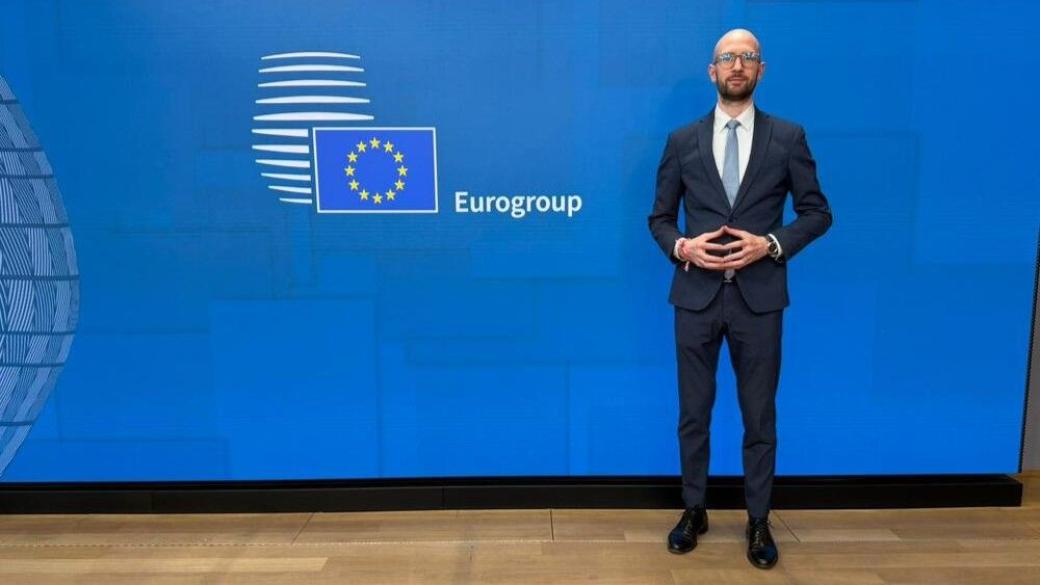
The budget deficit as of April now stands at €1.75 billion, according to preliminary data from the Ministry of Finance. In just one month, the deficit widened by another €250 million despite Acting Finance Minister Georgi Klissurski’s public statement that there would be no increase.
However, the rate of increase has slowed significantly, following a rise of €600 million in March and another €900 million in February.
We recall that in the final days of April, the government withdrew €1.4 billion from the Bulgarian Development Bank (BDB) back into the budget, but Klissurski stated that the funds do not affect the budget balance. They are likely directed toward the Fiscal Reserve, but preliminary data do not provide information on the status of the reserves.
For comparison, as of April 2025, under the administration of the “Zhelyazkov” cabinet with Finance Minister Temenuzhka Petkova, the budget balance under the Consolidated Fiscal Program (CFP) was negative by €1 billion (0.8% of GDP).
Revenues, grants, and donations under the CFP as of April 2026 are expected to amount to €14.1 billion, which is €1.5 billion more than the figures reported for the same period in 2025. This growth is driven by tax revenues, which increased by €1.4 billion in nominal terms compared to April 2025, and by receipts from grants and donations, which increased by €0.4 billion. Non-tax revenues are €0.3 billion lower compared to the first four months of 2025, mainly due to a change in the deadline for the transfer of the BNB’s revenue surplus over expenditures from April 30 to June 30, the Ministry of Finance specifies.
Expenditures under the consolidated fiscal program (including the Republic of Bulgaria’s contribution to the EU budget) as of April 2026 amount to €15.8 billion. By comparison, expenditures under the CFP as of April 2025 amounted to €13.5 billion. The increase in expenditures is primarily in social and health insurance payments, including pension expenditures, as well as in personnel costs, capital expenditures, and others.
The reasons for the observed increase in expenditures are, on the one hand, a base effect in pension expenditures following their 8.6 percent indexation effective July 1, 2025. On the other hand, the 2025 State Budget Act was published in the State Gazette at the end of March 2025, and the income policy set forth therein was not implemented until its entry into force. Following the adoption of the law, the planned increase in salaries was implemented after April, effective as of January 2025; therefore, for the months of January through April 2025, salaries were lower than the amounts specified under the legislation in force, the Ministry of Finance clarifies.
Personnel expenses are also affected by the increase in the minimum wage effective January 2026, as well as the additional increase in salaries by the amount of accumulated inflation for 2025, effective January 2026. Last but not least, capital expenditures are also showing significant growth, which is due to the implementation of investments and projects under the National Recovery and Resilience Plan.
Translated with DeepL.