Fitch Raises Bulgaria’s Credit Rating Outlook to Positive
The agency cites the reduced political uncertainty following the formation of a government backed by a single-party parliamentary majority
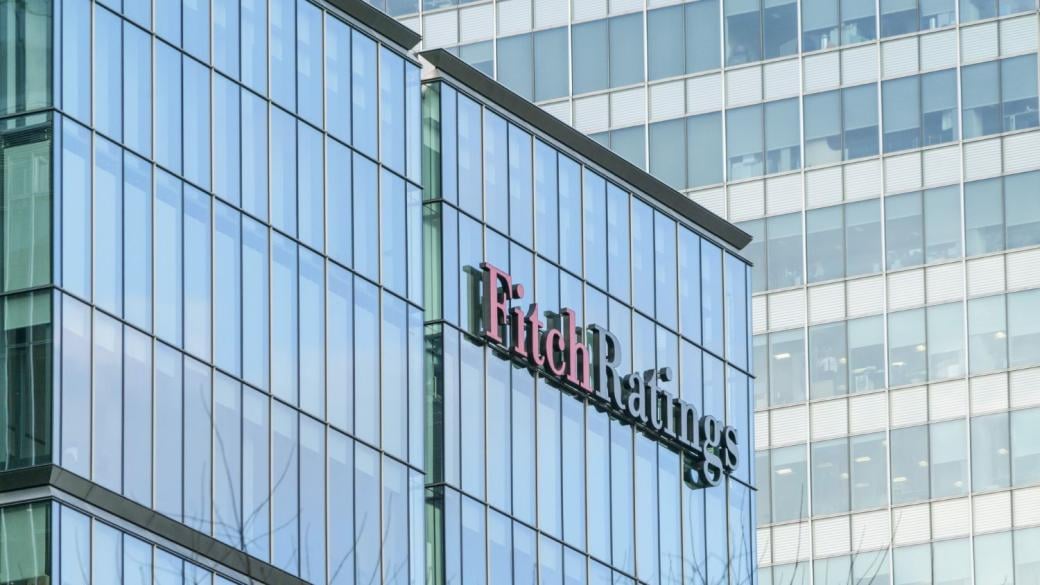
© ECONOMIC.BG / Depositphotos
~ 2 min read
 Economic.bg
 The international agency Fitch Ratings has upgraded the outlook on Bulgaria’s long-term rating (BBB+) from “stable” to “positive”. The agency’s rationale for the decision states that it reflects the reduced political uncertainty following the formation of a government with a single-party parliamentary majority. The rating agency views this as an opportunity for progress in the area of structural reforms to support potential growth, increase prosperity, and improve public sector management, building on Bulgaria’s accession to the eurozone.
The analysis notes that the current rating is driven by the benefits of membership in the eurozone and the EU, as well as by stable public finance and external balance indicators. However, these strengths are partially offset by risks of economic overheating, stemming in part from procyclical fiscal policy, high inflation, and current account deficits, as well as other factors.
Fitch Ratings emphasizes that the country’s economic growth has remained around 3% since 2024, despite various external shocks and weak growth in the EU economy, with the pace remaining significantly above the eurozone’s growth rate of about 1%. The rating agency forecasts that GDP growth will gradually slow to 2.4% by 2028, with a shift in the growth mix toward slower growth in domestic demand and improved export performance.
Attention is drawn to signs of macroeconomic imbalances, stemming primarily from strong nominal wage growth over the past three years. This has fueled a sharp increase in household consumption, which is contributing to a significant widening of the current account deficit, projected to rise to 7.4% of GDP in 2026 – a level significantly higher than that typical for countries with a similar credit rating. According to Fitch Ratings’ forecast, average annual inflation will reach 4.9% this year and will remain above the average for countries with a “BBB+” rating during the 2027 – 2028 period.
Factors that could lead to a rating upgrade include the reduction of macroeconomic imbalances and the successful implementation of structural reforms. Conversely, a worsening of these imbalances, a sharp decline in GDP growth – for example, as a result of reduced competitiveness – and a significant increase in the government debt-to-GDP ratio are factors that would result in a lower credit rating.
Translated with DeepL.