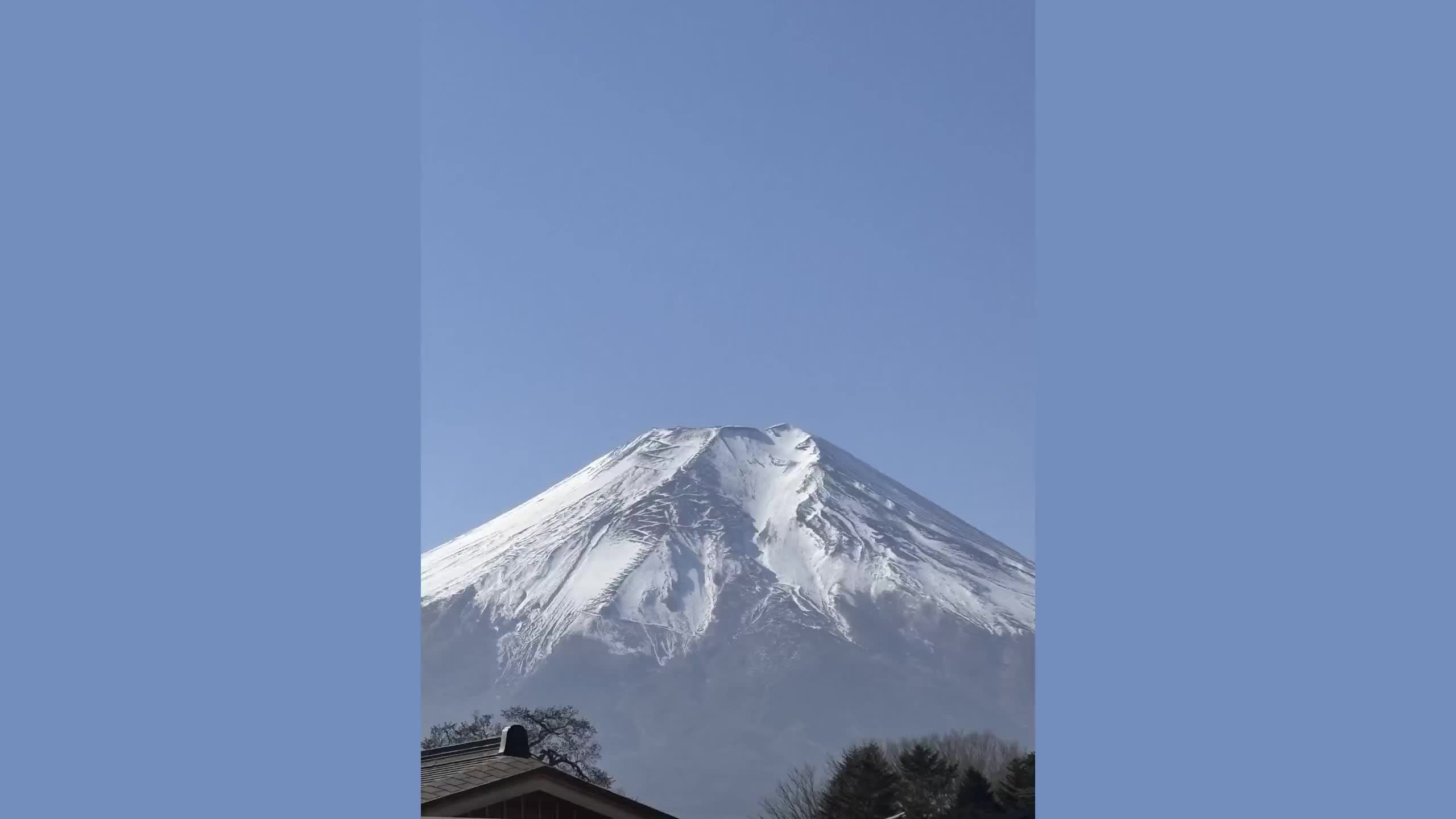
Fuji-san: The history of Japan's most iconic mountain
Fuji is the country's largest mountain and has been revered as sacred since ancient times
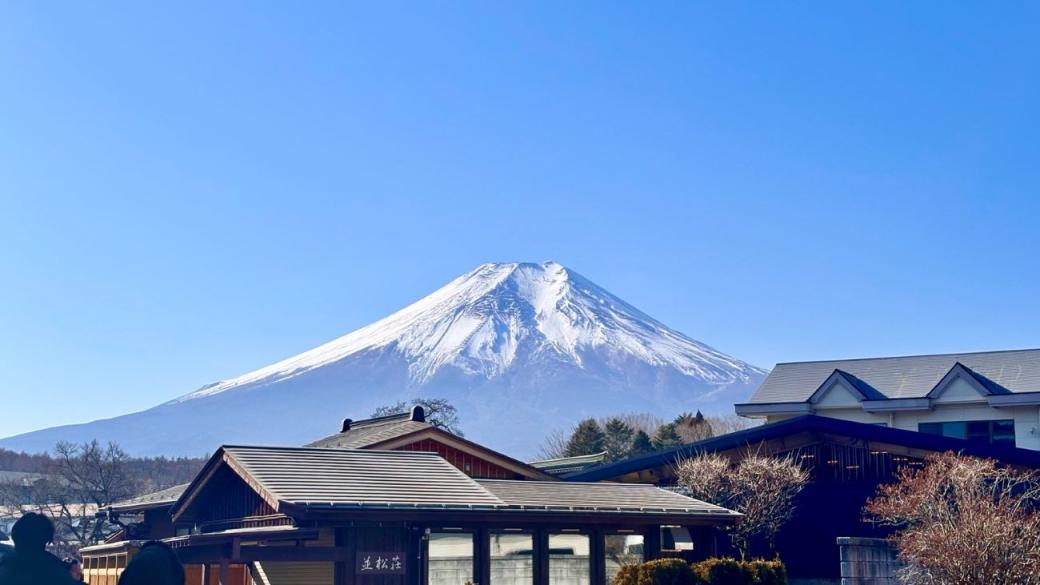
© ECONOMIC.BG / Simona Gotsova
 Simona Gotsova
 We've all seen it – be it on magnets, fans, towels, accessories, or even mirrors. I'm talking about none other than Fuji, Japan's highest mountain, rising to an impressive 3,776 meters, right next to the capital Tokyo.
But what makes Fuji-san, as the Japanese often call it, so special and why is it one of the symbols of Japan?
Background
Fuji-san is actually an active volcano, whose peak is the highest in Japan. In 2013, it was officially recognized by UNESCO as a cultural heritage site that must be preserved for future generations.
Why cultural and not natural? Fuji-san is not only the largest mountain in Japan, it is also considered a sacred place. This reverence is not new, but dates back to ancient times when volcanic activity was still frequent. At that time, people admired and worshipped Fuji from a distance. Gradually, as the eruptions subsided, various religious groups began to climb the mountain as a sign of worship and reverence.
This is also the reason for the appearance of the oshi houses – small inns that served as shelter for pilgrims heading to the top of the mountain.
A mandatory stop on the way up is Oshino Hakkai – a tourist complex of eight lakes in Oshino, a small village in the Five Lakes area of Mount Fuji, located between Lake Kawaguchiko and Lake Yamanakako on the site of a sixth lake that dried up several hundred years ago. The eight lakes are fed by snowmelt from the slopes of Fuji.
The complex has numerous restaurants, souvenir shops, and food vendors selling sweets, pickles, handicrafts, and Japanese matcha.
Today, the Japanese continue to worship Mount Fuji and climb its summit in an attempt to complete the ohachi meguri ritual, which consists of walking around the crater of the volcano. The "walk" takes about 90 minutes and is believed to have a purifying effect on the human soul.
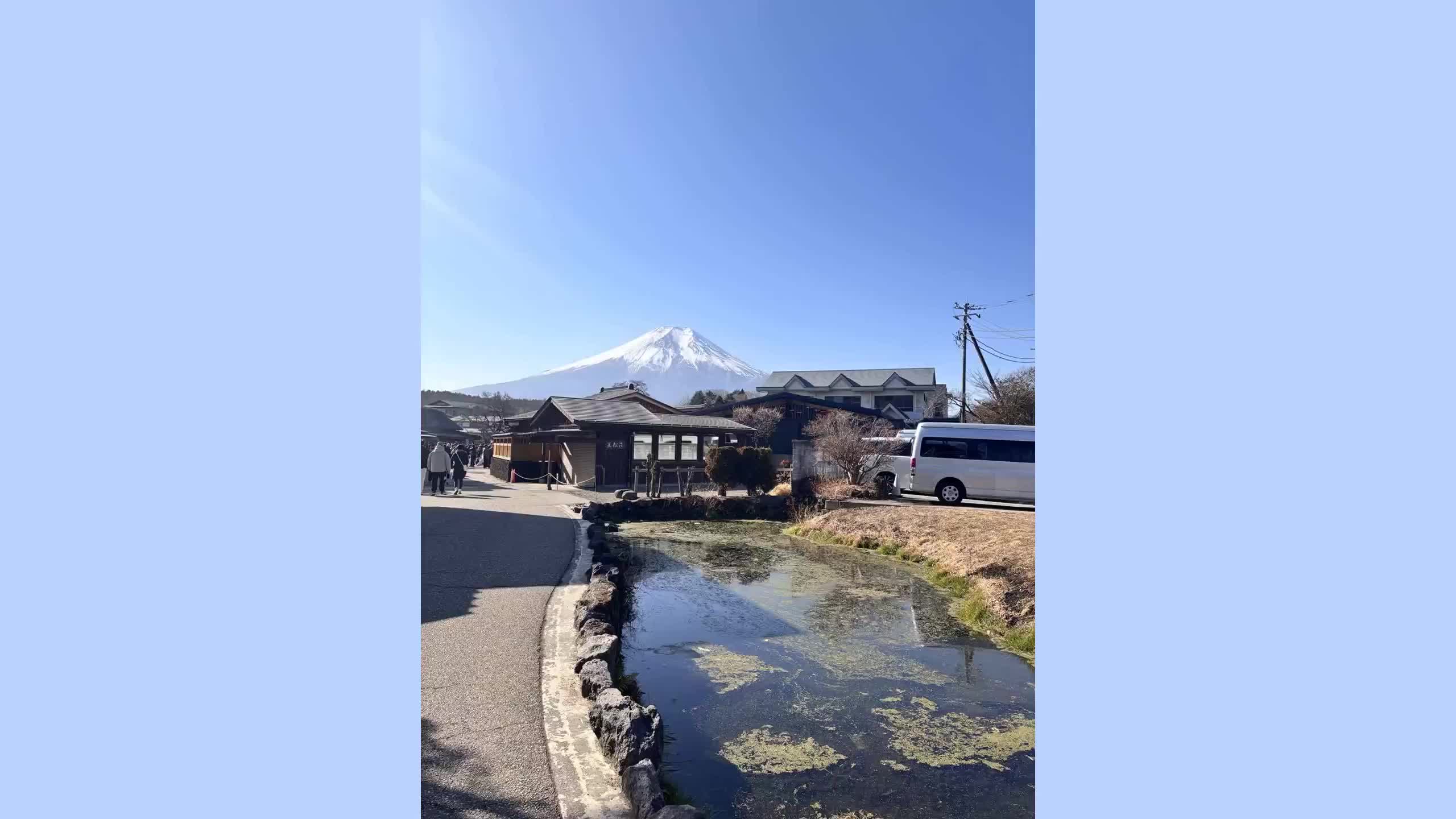
A photo from Oshino Hakkai
Fuji-san likes to hide
Many tourists are disappointed when climbing the mountain. It is a well-known fact that Mount Fuji is shy and hides behind clouds for most of the year. A clear view of it can only be seen on 70-80 days of the year, and the rest of the time the mountain remains hidden from human eyes.
Therefore, the best chance to see Fuji is early in the morning, before the clouds form or the weather turns bad.
Being blessed by the symbol of Japan
The rare opportunity to see the mountain in all its glory is one of the reasons for the emergence of a modern belief - if Fuji-san appears before you without clouds, it is often considered a lucky experience that can set a positive tone for a trip or even for the whole year.