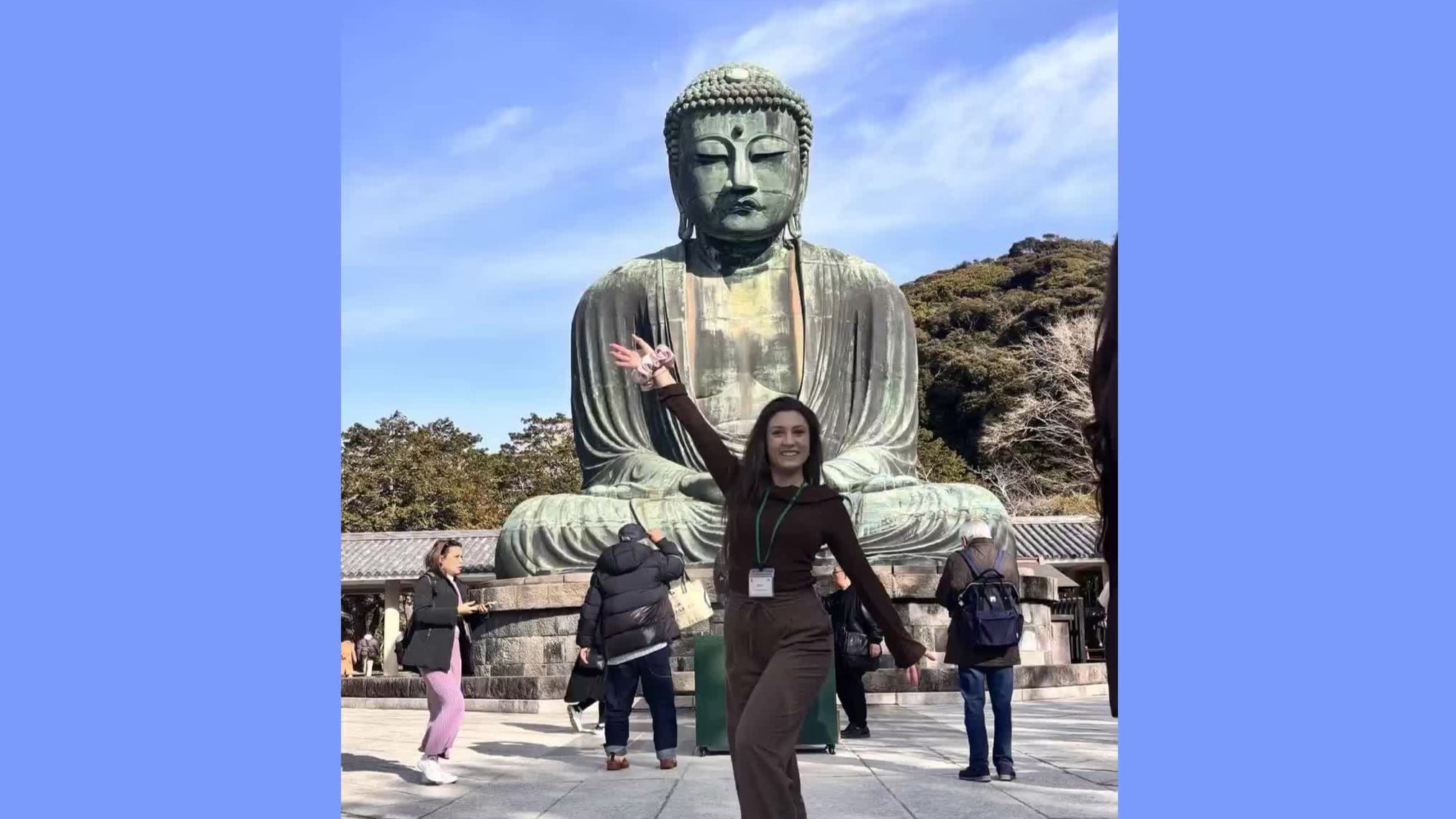
Kamakura: Home of the samurai and the Great Buddha
The city is home to Japan's second largest bronze statue of Buddha
© ECONOMIC.BG / Simona Gotsova
 Simona Gotsova
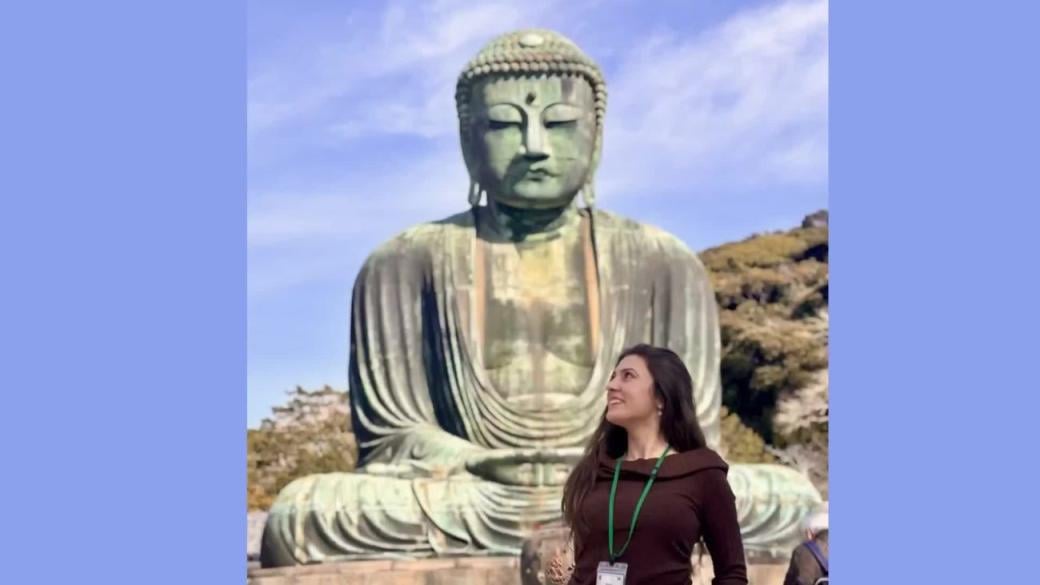
 Over 13 meters. That is the height of the Great Buddha statue in Kamakura, Japan. It is the second largest bronze Buddha statue in Japan and a magnet for many believers, tourists, and curious onlookers, one of whom was me.
The old capital
Kamakura is located just over an hour's drive from the metropolis of Tokyo.
The city was the de facto capital of Japan from 1185 to 1333, when the emperor continued to live in the cultural center of Kyoto, but the new military government — the Kamakura shogunate — operated from the city of the same name.
Kamakura is often called "the city of the samurai" because it was ruled by military leaders for nearly three decades.
The valley in which it is located acts as a natural shield from enemy forces – impassable hills protect the city on several sides, and Sagami Bay compensates from the south.
There is also a whole period in Japanese history with the same name, marked by the rise of the samurai and the popularization of Zen Buddhism in the country. In fact, in 1191, the Japanese Buddhist monk Eisai returned from China, where he discovered Zen Buddhism. However, his attempts to popularize it in Kyoto ended in failure due to the Buddhist schools and traditions already established there. Therefore, Eisai decided to head to Kamakura, where he was successful.
Today, Kamakura attracts visitors with opportunities for summer tourism, peaceful walks, restaurants offering traditional Buddhist cuisine, and numerous temples, one of which was Kotokuin.
The home of Buddha
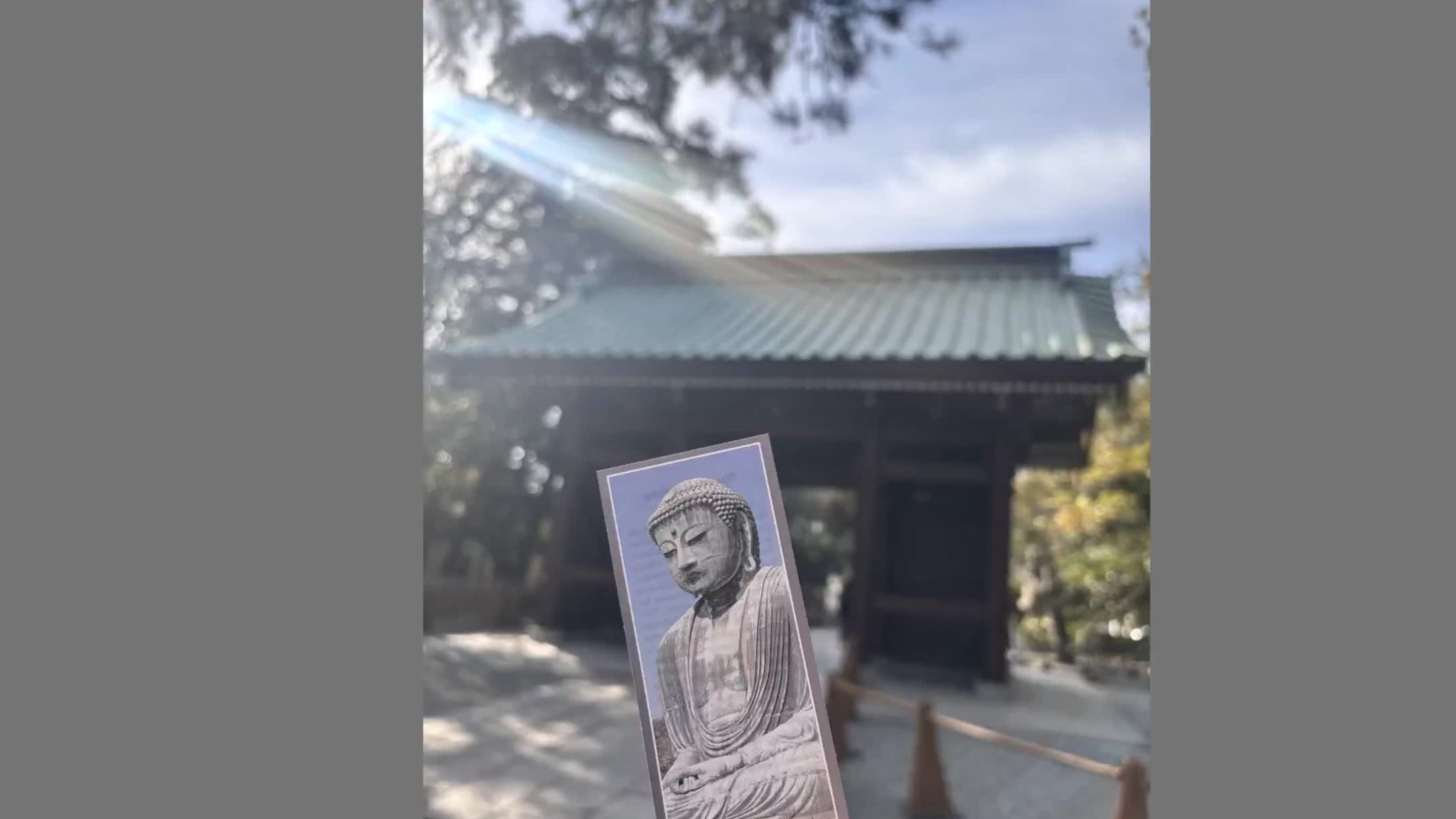
Kotokuin Temple is best known as the home of the Great Buddha statue. In Japanese, the monument is called Daibutsu, or literally "Great Buddha."
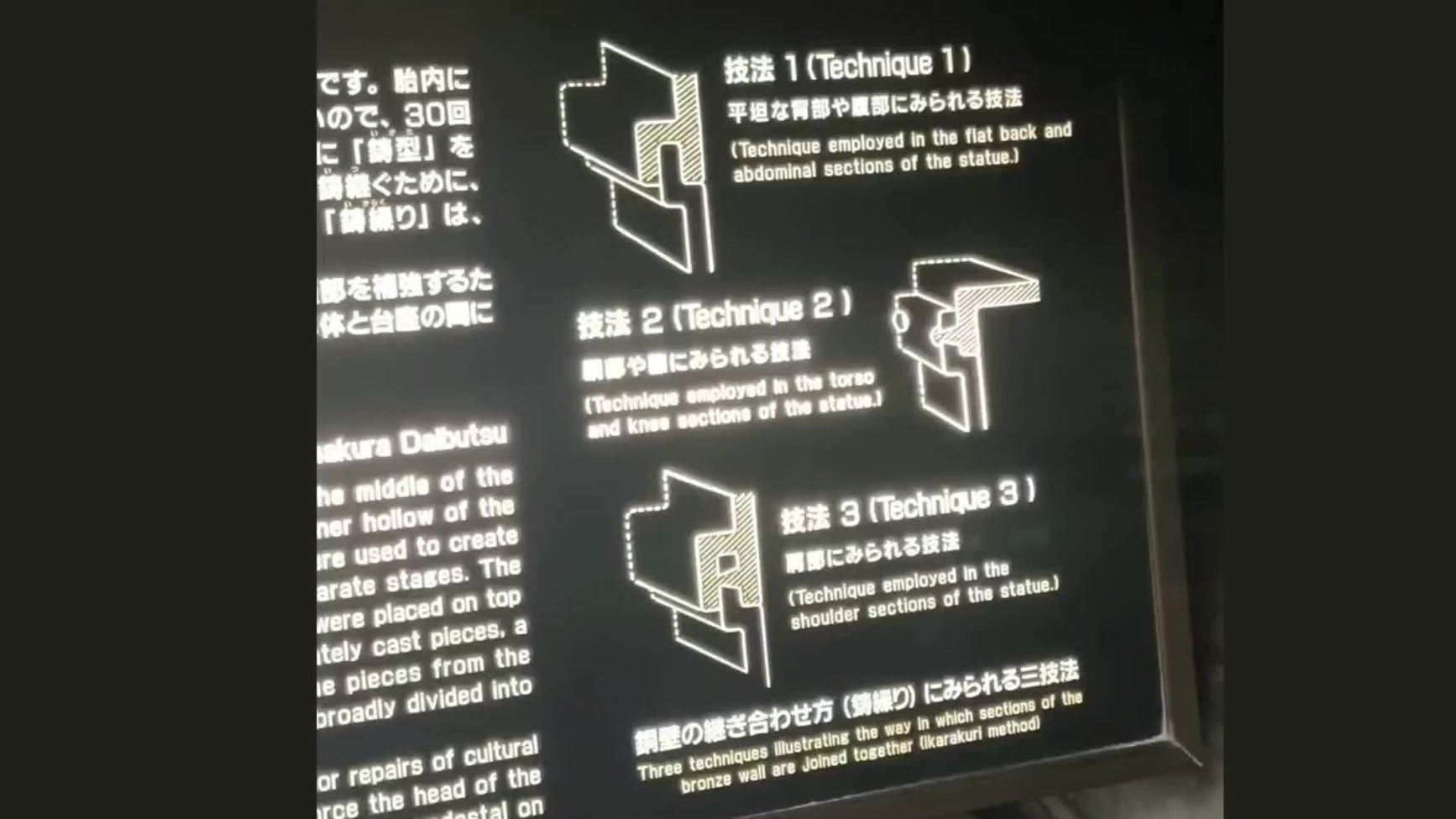
However, the size of the statue is not the only impressive thing about it. For a modest fee of around €2.50, tourists can enter the statue itself to see what it looks like from the inside.
Due to its unusual size, it took the builders of Daibutsu a total of 30 separate stages to erect the statue. They used various techniques, which can be seen better from the inside.
Why Daibutsu?
My visit to Daibutsu was part of the MIRAI program under the Japanese Ministry of Foreign Affairs. Through it, young people from all over the world have the opportunity to visit the island and, according to the thematic groups in which they are divided, learn more about the rule of law, diplomacy, innovation, and sustainable development goals (SDG).
The trip to Kamakura allowed me to experience the traditional side of Japan, away from the megacities, modern shops, technology, and streets lit by huge screens. Incidentally, the Buddha statue was once housed in a building that was repeatedly destroyed by natural disasters. Many temples in Japan have such a past, yet they still stand strong and beautiful to this day. This often makes me wonder if the prayers offered to them have indeed been heard.