Risk, Insurance and Real-World Losses: How early decisions shape the resilience of Renewable Energy projects
REIB brought together international experts in BESS and wind energy insurance in Sofia to follow the journey from early project decisions to real-world losses
~ 4 min read
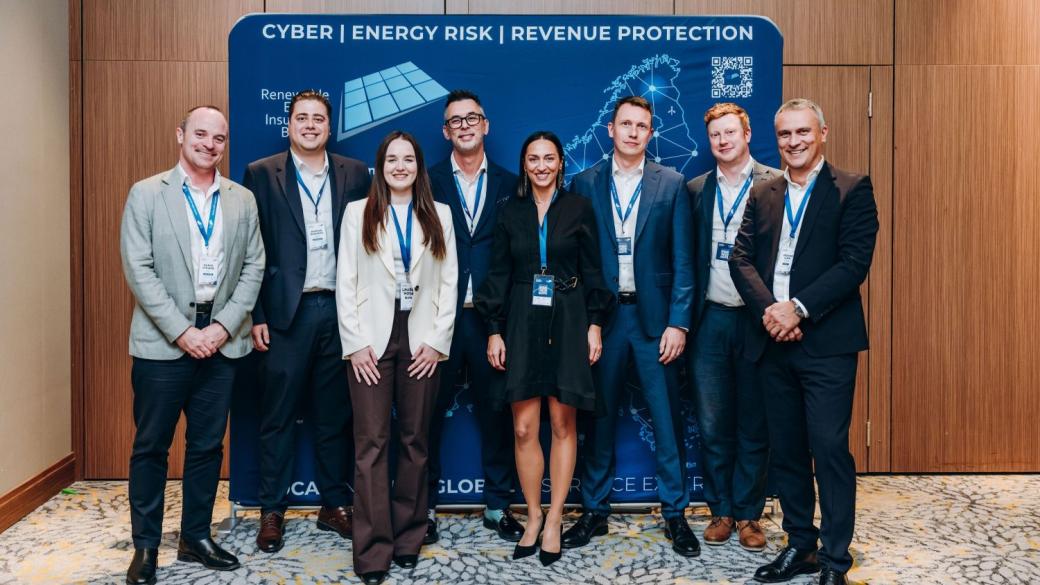
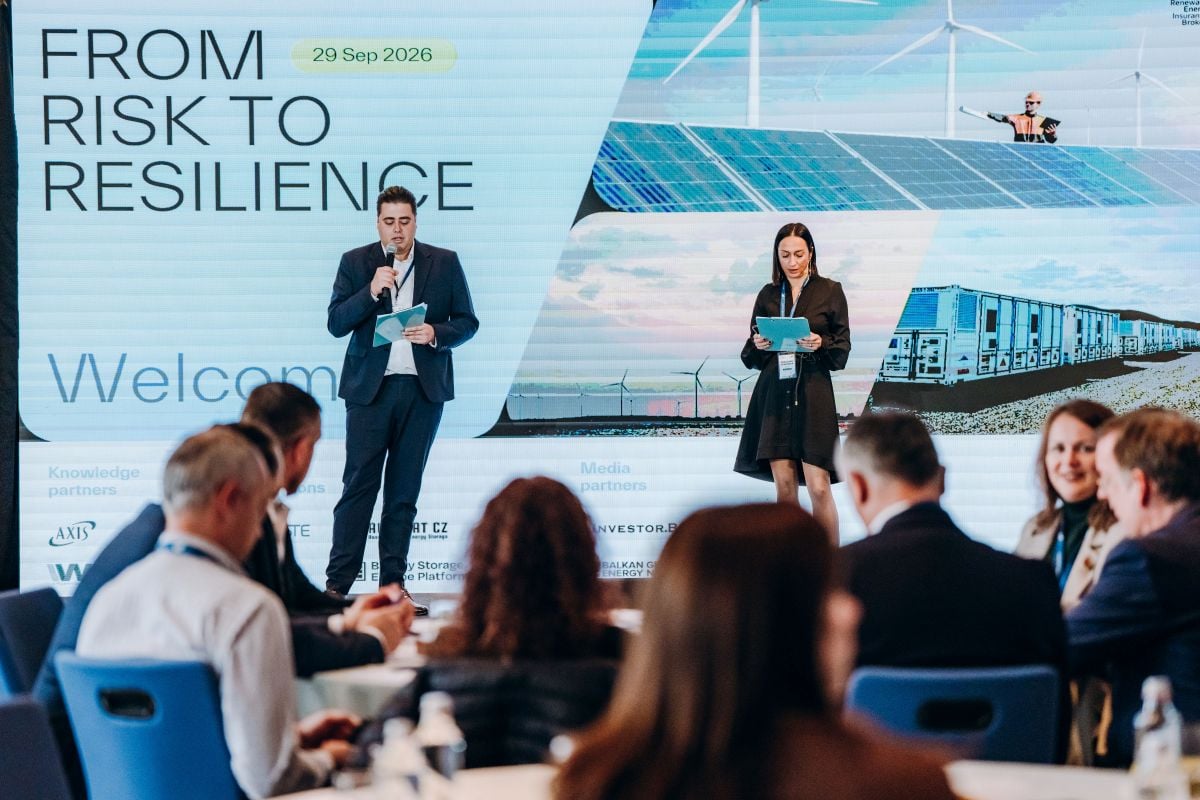
Renewable Energy Insurance Broker (REIB) brought together investors, developers, banks, insurers, risk engineers and loss adjusters in Sofia for the specialist forum From Risk to Resilience – Real Stories. Real Claims. Real Expertise in Co-located BESS & Wind Projects.
The event focused on how decisions made at the earliest stages of a project can influence its risk profile, insurability, bankability and long-term resilience. It brought together the different sides of risk management – the broker, insurer, risk engineers and loss adjusters, to follow the same risk throughout the project lifecycle, from decisions made during design and construction to the moment it becomes a real-world loss. The format allowed lessons from international claims experience to be brought back to one fundamental question: what could have been done differently at an earlier stage of the project?
For complex energy projects, insurance should not be one of the final steps before construction begins. Our experience shows that many of the challenges that emerge during insurance placement and financing are the result of decisions made at the earliest stages of a project. The earlier risk becomes part of the conversation, the more options remain to manage it before key decisions become final,” was one of REIB’s key messages during the forum.
From early BESS insurance decisions to real-world losses
The first part of the forum focused on stand-alone and co-located Battery Energy Storage Systems (BESS). REIB shared practical experience from different markets and highlighted the importance of involving the broker before key decisions on technology, design, layout, contracts and financing have been made. With more than 14 GWh of BESS and 7 GWp of PV insured, REIB’s experience reinforces the importance of identifying risks and potential insurance constraints early, while there are still more options available to manage them.
One example demonstrated how REIB’s early involvement in adding BESS to an existing operational solar plant allowed risks related to shared infrastructure and the interaction between existing and new insurance coverage to be identified in advance. The case illustrated why, in co-located projects, risk needs to be considered across the entire system rather than asset by asset.
Daniel Granberg and Nathan Davies, Renewable Energy Loss Adjusters at Lloyd Warwick showed what these risks look like when they turn into real-world losses. The cases presented included BESS fires, issues related to construction works, and inverter and transformer failures. Particular attention was given to the complexity of determining loss of revenue when a BESS project generates income from multiple revenue streams.
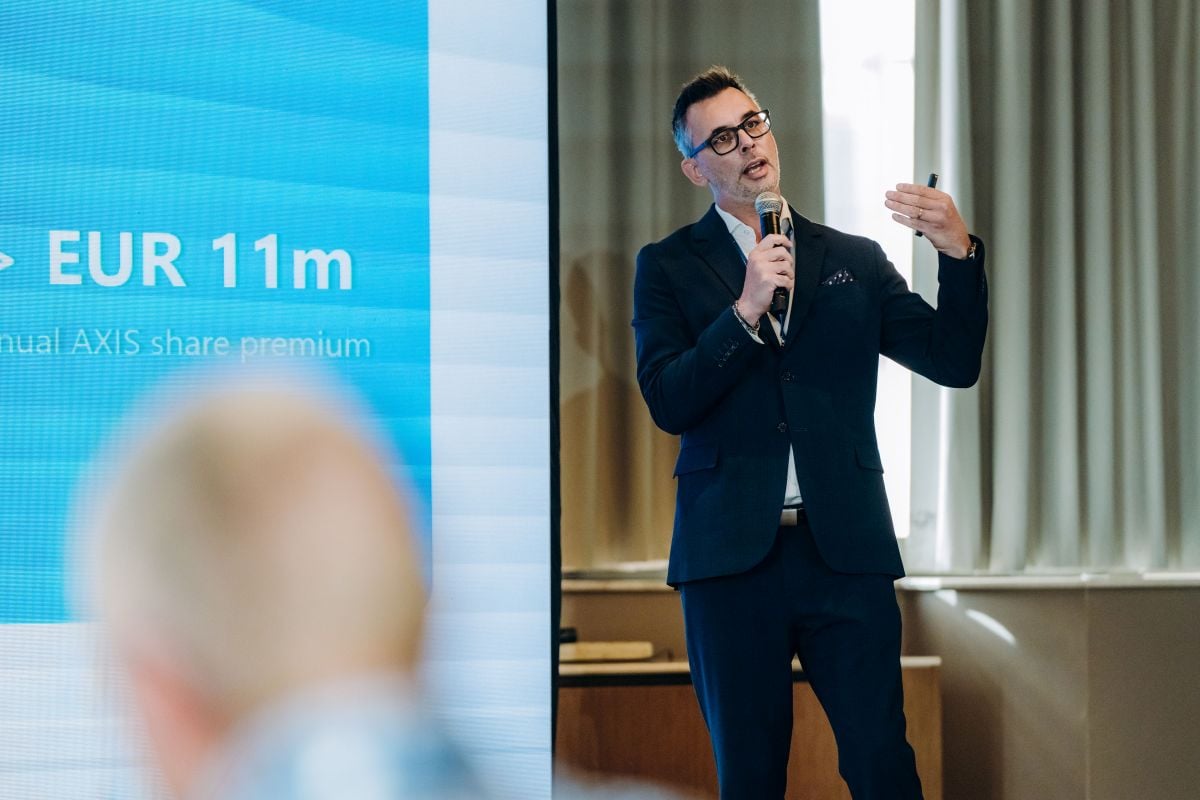
Daniel Stevens, Global Head of Renewable Energy Engineering, Ilias Lardas, Head of South/East Europe Underwriting, and Lauren Hogan, Assistant Underwriter at AXIS presented the perspectives of both risk engineering and underwriting – from applicable standards, fire testing and spacing between battery containers to fire detection systems, emergency response and commissioning. A real case involving a co-located PV and BESS project demonstrated how a fire within the battery system can also affect the solar plant’s ability to generate power, resulting in a Business Interruption claim.
The common conclusion from the three perspectives was clear: problems that emerge during commissioning or operation often have their roots in decisions made much earlier.
Wind Energy: Renewed interest and a different risk profile
REIB provided a brief overview of the wind energy market in Bulgaria and the wider region before the focus shifted to practical risks and real-world losses.
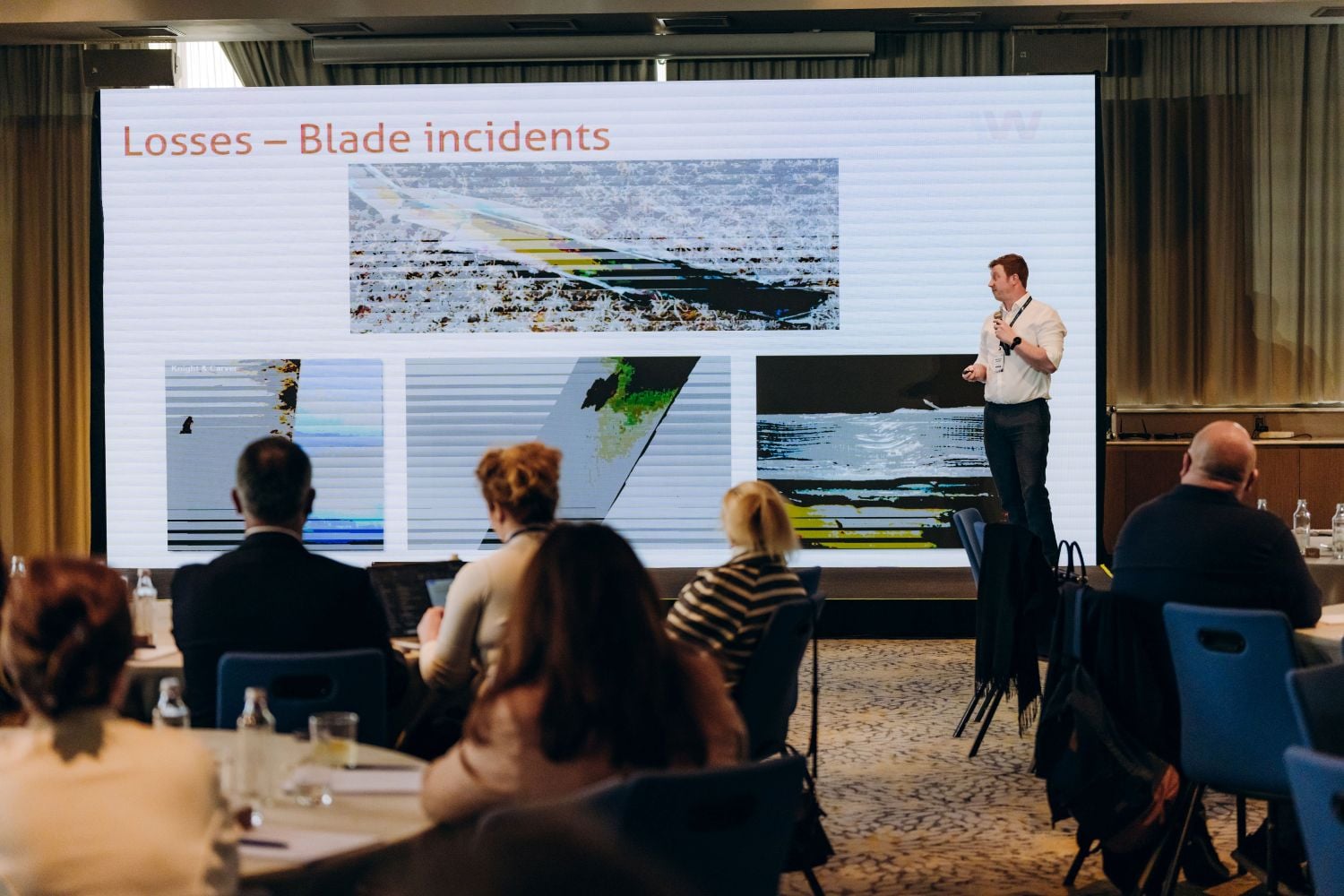
Lloyd Warwick presented cases from onshore wind farms, including blade and gearbox failures, nacelle fires, and foundation and cable issues. The cases demonstrated that the impact of a loss depends not only on the damaged component itself, but also on the availability of spare parts, specialist cranes and qualified contractors, as well as the time required to return the asset to operation.
AXIS examined the risks from both risk engineering and underwriting perspectives. Key factors included the track record of the specific turbine model, its suitability for the individual site, geotechnical conditions, foundations, quality control and maintenance. As wind turbines increase in size and capacity, so do the potential costs associated with a loss – from components and transportation to specialist equipment and repairs. At the same time, there is still limited operational and claims data available for the latest generation of large turbines. This makes risk assessment more complex and places even greater importance on the quality of technical information available for the specific project.
One project, different perspectives on risk
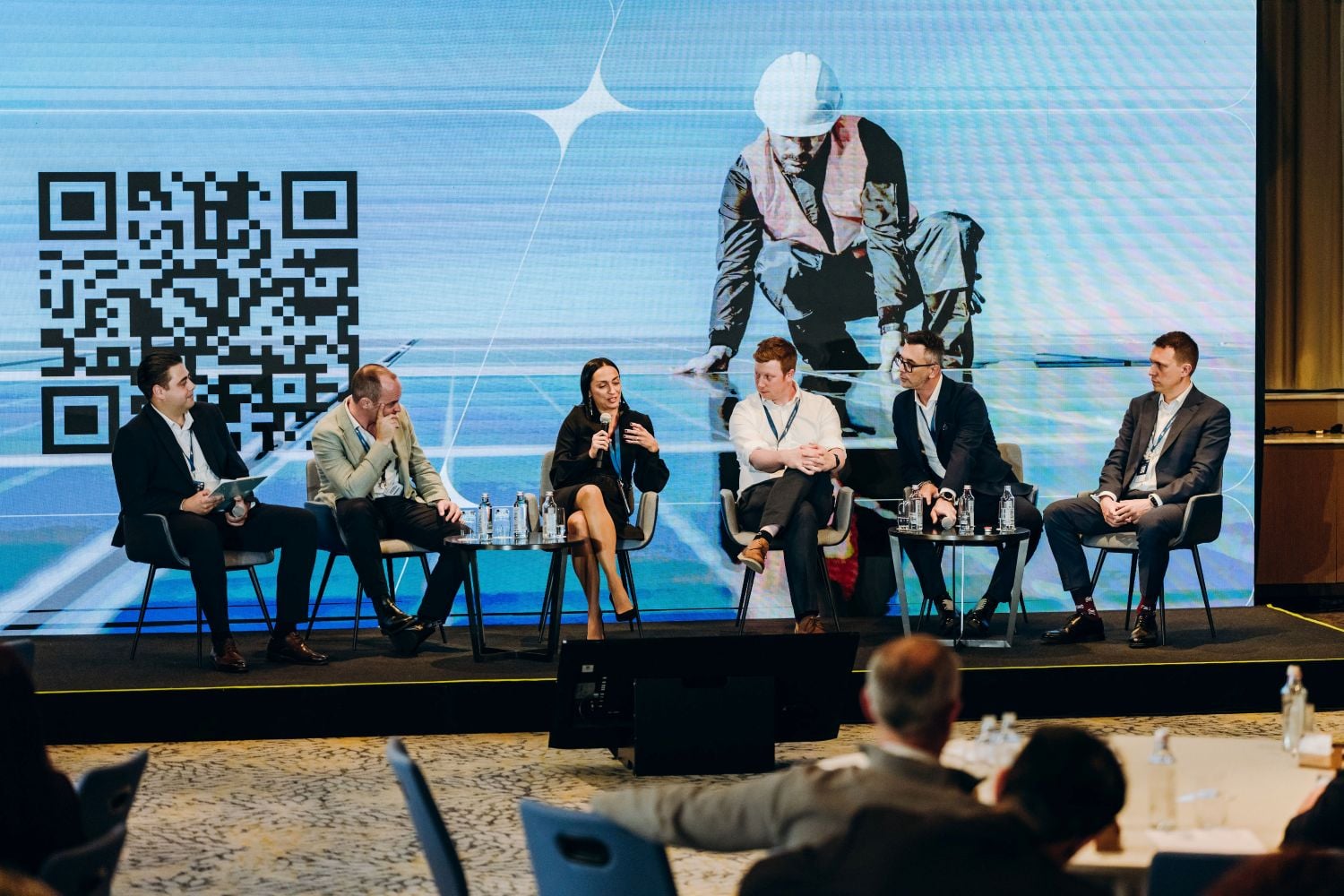
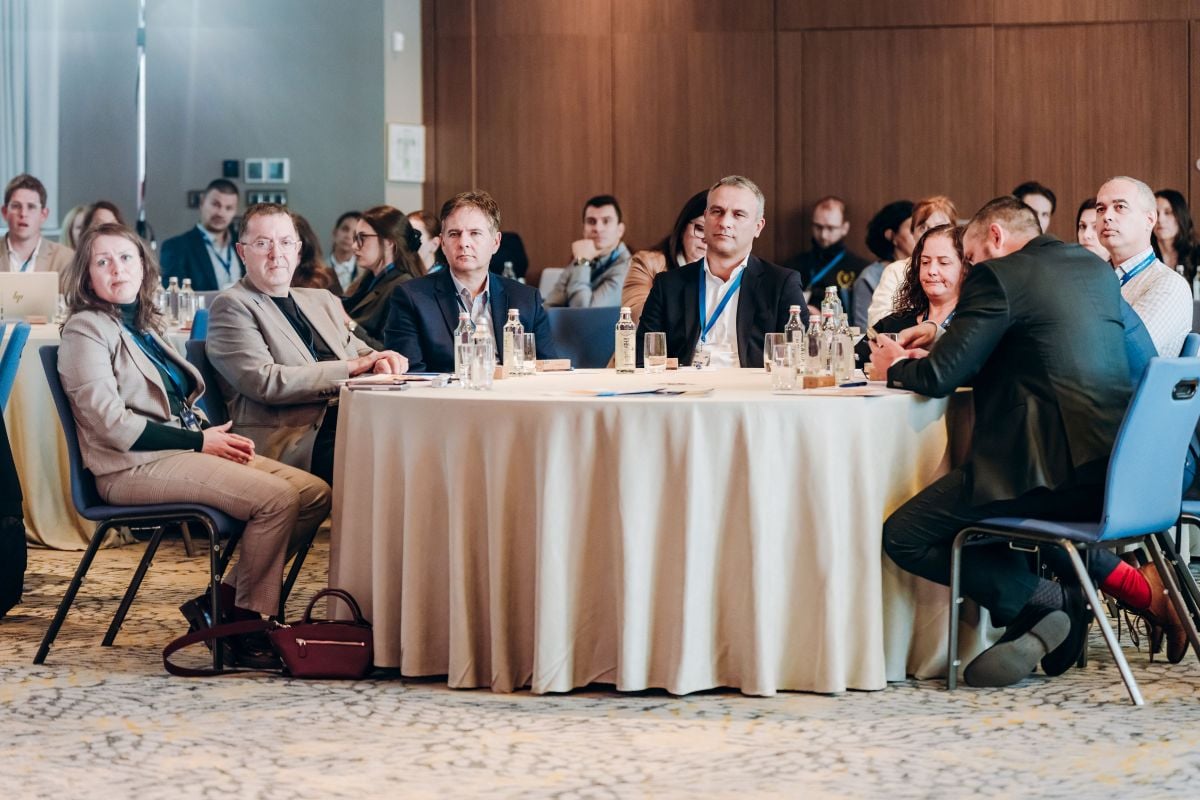
The final Behind the Policy session brought all speakers together for a discussion with the audience on how different stakeholders can work together before a risk turns into a loss. The discussion reinforced one of the forum’s key messages: effective risk management requires early collaboration between investors, developers, technical teams, brokers, insurers, lenders and loss adjusters.
The strong level of audience engagement was particularly evident during the Q&A session, with nearly 20 questions submitted to the international experts. This was followed by an interactive session in which participants were presented with practical insurance scenarios. In one of them, a fire damaged just one of 12 BESS containers, but safety concerns required the entire facility to be shut down for six months. The audience was asked whether the loss of revenue claim should cover only the affected container or the entire facility that had been taken offline.
Participants voted on the scenarios, with the results prompting further questions and comments from the audience. In this way, the final part of the forum brought together the different perspectives on the same risk – those of the broker, risk engineer, insurer and loss adjuster.
REIB thanked Daniel Stevens, Ilias Lardas and Lauren Hogan from AXIS, as well as Daniel Granberg and Nathan Davies from Lloyd Warwick for sharing their international expertise and real-world cases, as well as Unitrade Renew and EL EX Corporation for their partnership and support in making From Risk to Resilience possible.
The forum reflects REIB’s commitment to creating a space for practical dialogue between all stakeholders involved in the development, financing, insurance and risk management of renewable energy projects.