The Cabinet approved the construction of the “Kalotina 2” border crossing
The backup crossing will operate seasonally and will allow only passenger vehicles
~ 2 min read
 Gloria Hristova
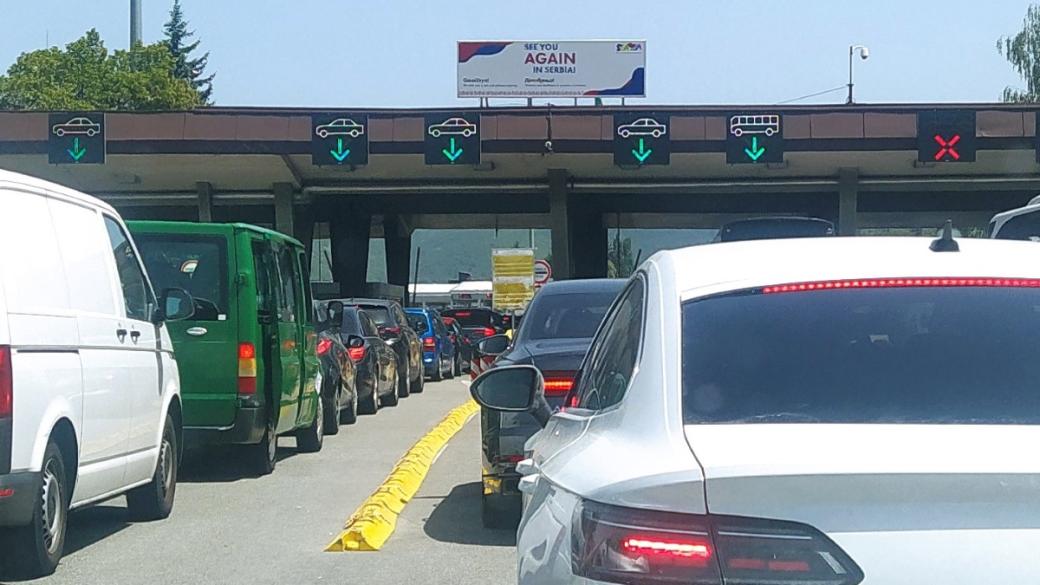
 The Council of Ministers approved a draft memorandum for the opening of the joint border crossing points “Kalotina 2” (on the Bulgarian side) and “Gradina 2” (on the Serbian side). The new facility will function as a backup crossing and is primarily intended to handle part of the massive passenger traffic that traditionally paralyzes the transit corridor during the busy summer season and major holidays.
The new border crossing will be located entirely on Bulgarian territory in the vicinity of the village of Kalotina in the Dragoman region in close proximity to the existing border crossing point. To be as effective as possible in easing tourist traffic the crossing will be specialized and intended exclusively for the passage of pedestrians and passenger vehicles. Its operating schedule will be seasonal, with fixed working hours tailored to the months of peak traffic.
The project has already received a key positive opinion from the European Commission. The procedure itself was initiated at the end of last year when on November 13, 2025 the Interdepartmental Council on Border Control adopted the initial decision to proceed with construction.
We recall that at the end of January the outgoing “Zhelyazkov” cabinet approved the draft agreements, which provide for the construction of the border crossing with Serbia, as well as another one with Turkey – “Kapitan Andreevo-North.” The goal there is to reduce waiting times at one of the busiest land border crossings in the world.
A Joint Expert Commission between Bulgaria and Serbia is to be established. Its task will be to resolve all legal and factual issues and to specify the main technical characteristics of the facility. According to the agreed terms each country commits to building the necessary access infrastructure on its own territory, with the final details to be regulated in a bilateral agreement.
The decision regarding the Serbian border is part of a broader national strategy to improve transport and border connectivity.
Translated with DeepL.