CPC has been granted more power, while retailers remain restricted in their pricing
Lawmakers have extended price controls by one year, and stores will face hefty fines for unjustified price hikes
~ 3 min read
 Simona Gotsova
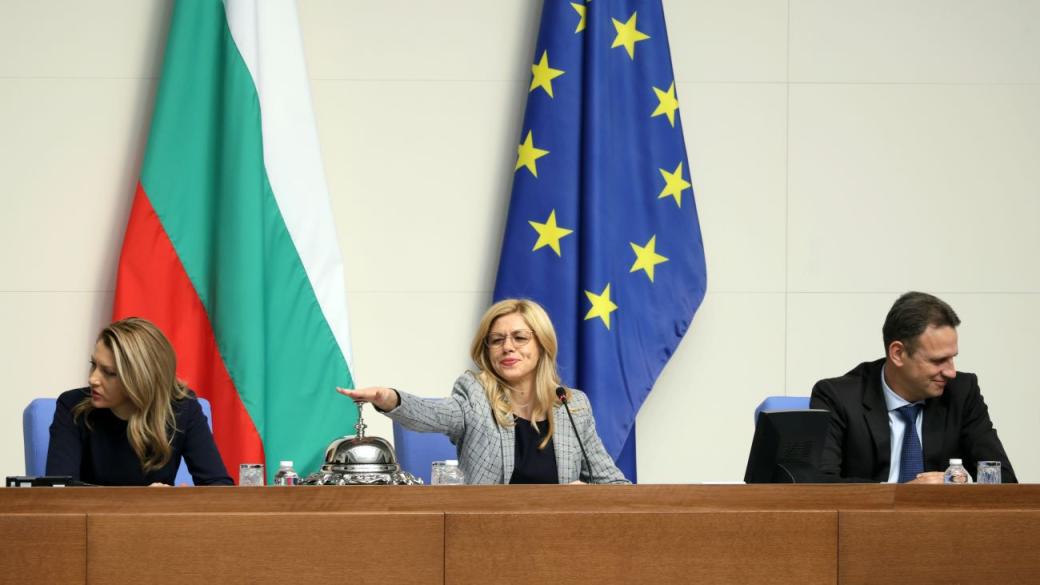
 The Commission for Consumer Protection (CPC) is gaining more power, while retailers are no longer allowed to raise prices without justification and will face much harsher fines if they do so. These amendments to the Consumer Protection Act were adopted by the National Assembly on second reading on Thursday.
The adopted provisions explicitly prohibit “increasing the prices of goods and services offered to consumers when the increase is not economically justified.” The following are considered examples of acceptable, economically justified factors for higher prices:
- increases in delivery or production costs;
- increases in labor costs;
- changes in the prices of energy, fuels, or raw materials;
- changes in taxes, fees, or other public obligations;
- changes in exchange rates or external economic conditions;
- other factors beyond the merchant’s control that have a significant impact on costs or supply conditions.
However, it was precisely this last point that was one of the many reasons for criticism from the opposition.
According to Tsontcho Ganev of “Vazrazhdane,” those in power are “kicking down the door” and giving merchants every opportunity to justify why they have raised their prices.
With this bill, you are throwing the door wide open to the chains that are supposed to control prices. This is your colossal failure. This bill is stillborn, and you are doing nothing," he stated categorically.
Vladislav Panev of “Democratic Bulgaria,” however, held a different view – that the provisions provide the CPC with many “levers of pressure” over businesses. The reason: the fines for violations are substantial. For example, in the event of an established unjustified price increase for a product, the guilty parties are subject to a fine ranging from 1,000 to 10,000 euros, while sole proprietors and legal entities face a financial penalty ranging from 10,000 to 100,000 euros. When the violation involves more than one product, service, or commercial establishment, a separate penalty is imposed for each violation.
Ivaylo Shotev of “We Continue the Change” said they would not support the bill due to vaguely defined concepts. According to him, with the expansion of the CPC’s powers, all authority passes into the hands of the Council of Ministers, since it appoints the commission and it could become a “big stick.”
The CPC will have the right, within the scope of an ongoing inspection, to order any natural or legal person to provide information, regardless of its form, that is necessary for the purposes of the inspection or proceedings. Separately, stores will be required to submit information about their prices to the regulator in a machine-readable format, which the CPC will subsequently publish on an accessible online portal.
Subsequently, Yavor Gechev of “Progressive Bulgaria” took the floor to explain the purpose of the bill. In his words, the law aims to balance the market where there are distortions, but at the same time to allow regulators to do their job.
Regulators will not have the right to make excuses, but will do their job within the law—neither with a club nor with a feather,” he noted.
He acknowledged that the law will not solve all problems, but that it will be followed by “measures that will encourage the economy to develop.” “This law is absolutely necessary because it will help stabilize prices,” he added.
Finally, lawmakers approved the amendments to the law, which will take effect on August 9 of this year and remain in force until August 9, 2027.
Translated with DeepL.