Focus on Cohesion: The EC invites regional journalists to a training session in Brussels
Media Training Trips give journalists the opportunity to learn about the impact of cohesion funds on cities and villages across the EU
© ECONOMIC.BG / Depositphotos
~ 2 min read
 Economic.bg
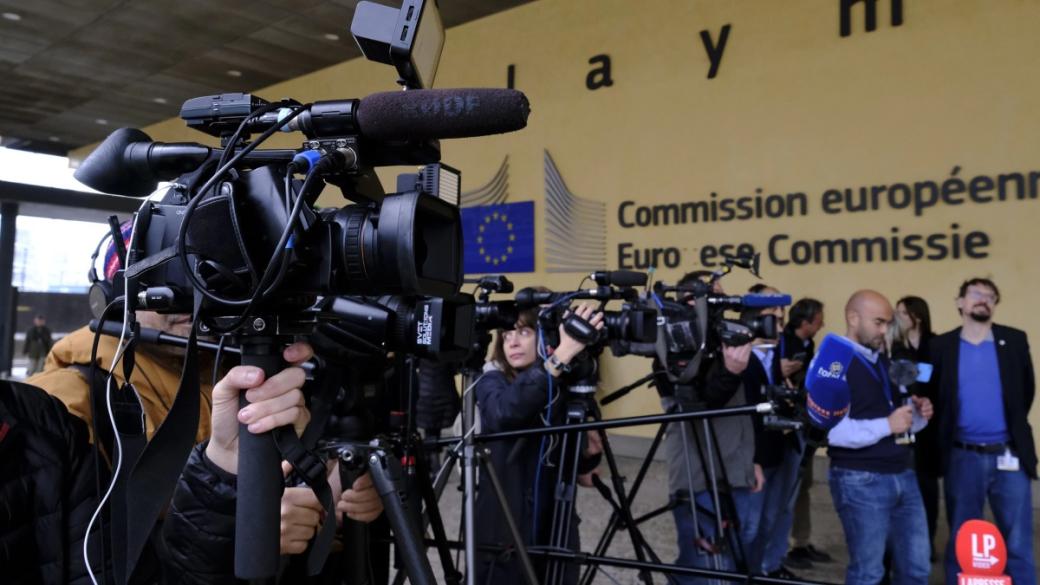
 The European Commission has announced the launch of the new application round for the EUinMyRegion Media Training Trips program. The initiative is aimed at journalists from regional and local media in EU member states, with a deadline for applications of May 31, 2026.
The program is designed to familiarize representatives of the regional press with EU cohesion policy, the management of European funds, and the functioning of European institutions. The study visits will last two days and will take place in Brussels between June and December 2026.
The training sessions focus on practical and theoretical aspects of European policy, including: The program includes visits to the European Commission, the European Parliament, and the Council of the European Union, as well as meetings with country experts from the Commission.
- Institutional Structure: Familiarization with the procedures and structure of the European Commission and other EU bodies;
- Cohesion Policy: Analysis of how the EU invests in regions and cities;
- Funding and Control: Familiarization with funding opportunities and mechanisms for addressing fraud and mismanagement of funds;
- Tools for Journalists: Working with specialized platforms and data tools.
Organizational Details and Funding
Groups of approximately 30 journalists from various member states will participate in each of the planned trips. The European Commission will fully cover the costs of transportation, accommodation, and living expenses for approved participants.
Interested media representatives can submit their applications by the end of May; detailed information is available on the official website of the Directorate-General for Regional and Urban Policy.
Translated with DeepL.
Co-Funded by the European Union. Views and opinions expressed are however those of the author(s) only and do not necessarily reflect those of the European Union. The European Union cannot be held responsible for them.