Podcast | The transformation of Kyustendil: An industrial park with a “fast track” and smart medicine
From building permits in 60 d to remote monitoring of people living alone, Mayor Ognyan Atanasov talks about the city’s new European look in the COREJIO podcast
~ 3 min read
 Gloria Hristova
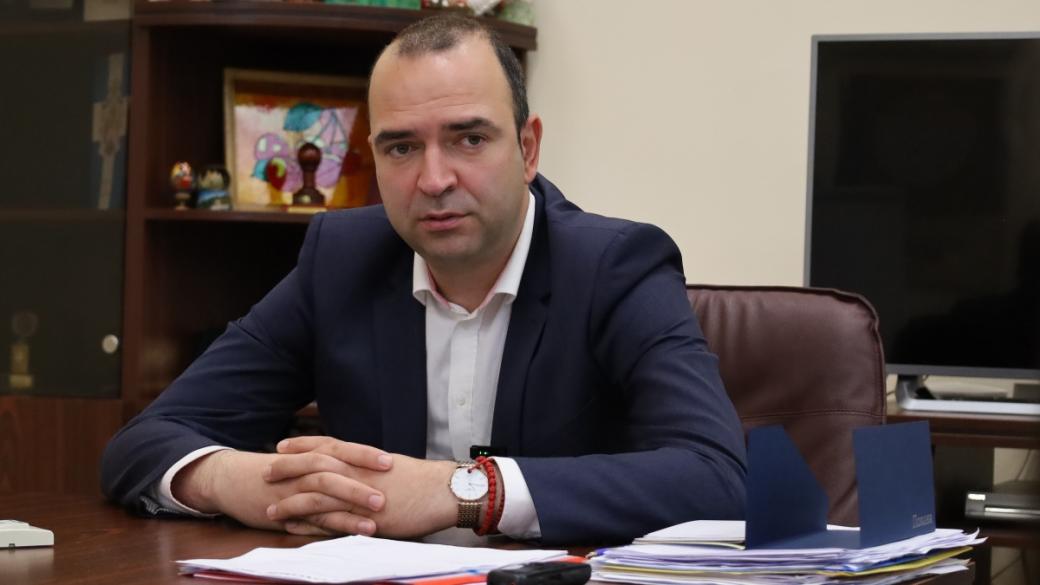
 From the construction of a high-tech industrial park to the implementation of “smart” social services, the municipality of Kyustendil has managed to implement a number of projects with the help of European funds. In the new episode of the COREJIO podcast Mayor Ognyan Atanasov reveals how European funds are becoming a driving force for the region, why local diplomacy succeeds where big politics fails and what are the real steps for bringing young people back to the city.
Industrial park with a “fast track” for investors
According to him responsible politicians should seek solutions with a horizon of at least ten years rather than simply focusing on the upcoming elections.
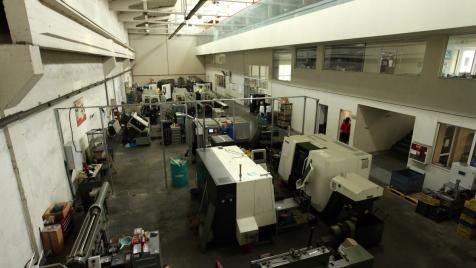
This philosophy is behind the construction of the new industrial park, which aims to turn Kyustendil into a destination for high-tech manufacturing with higher wages. The mayor points out that the project is strategic because it guarantees predictability.
The municipality is betting on a model in which investors receive complete predictability and plots with ready electricity, water, gas and sewerage. The big ambition is for the municipality to issue building permits within just two months – something that currently sounds almost revolutionary by Bulgarian standards.
The municipality’s job is not to do business but to create conditions for business development,” Atanasov is adamant.
Negotiations are already underway with companies, with one of the properties (60 de) being set aside at the specific request of an investor.
There are two things in this world that love silence – love and business,” the mayor added, keeping the names of the companies secret.
Development of the region
In parallel with the economic boost, the municipality is implementing projects in the field of health and social care. Against the backdrop of a vast territory of nearly 1 000 km² and dozens of scattered small settlements, Kyustendil is implementing innovative remote monitoring through smart bracelets.
These devices monitor the vital signs of elderly people in real time and react instantly in the event of a fall or accident. The mayor admits that he was initially skeptical about innovations without personal contact, but practice has shown that technology can save lives where distances are an obstacle. Added to this are 11 brand new clinics and two highly mobile offices that will provide medical care even in the most remote corners of Kyustendil and the neighboring smaller municipalities.
All this is happening against a backdrop of strict financial discipline and a key administrative victory at European level. For years Kyustendil was statistically attached to Sofia, which distorted the real picture and deprived local businesses of adequate funding. With the new zoning companies in the region now have a level playing field and access to significantly larger grants, which is vital for small and medium-sized enterprises.
The story of Kyustendil’s new image is complemented by ambitions to turn it into a national center for sports and balneology. With a large-scale renovation of the stadium, new athletics tracks and modern lighting, the city is preparing to attract international competitions and training teams.
At the same time local diplomacy is teaching big politics a lesson through close cooperation with North Macedonia. The twinning with Kriva Palanka and joint projects for smart tourism show that at the level of municipalities and people, borders have long since begun to fade.
According to Ognyan Atanasov cohesion policy is the tool that allows Kyustendil not only to survive but to build a European image with self-confidence.
You can listen to the entire conversation about new industries, social innovations and Kyustendil’s “European image” in the podcast.
Translated with DeepL.
Co-Funded by the European Union. Views and opinions expressed are however those of the author(s) only and do not necessarily reflect those of the European Union. The European Union cannot be held responsible for them.