Coface expects Bulgaria’s economic growth to slow
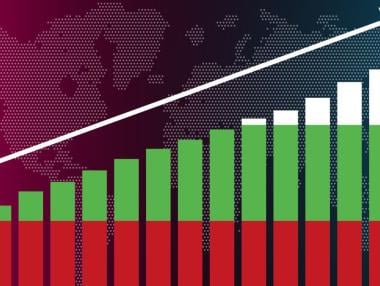
The ongoing crisis in the Middle East will affect Bulgaria’s economic growth this year, which will turn out to be lower than initially expected
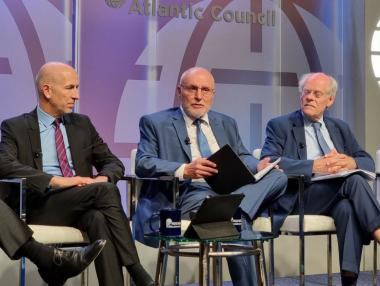
The introduction of the euro in Bulgaria sparked widespread speculation about the potential consequences of the process, none of which actually materialized
The euro does not create trust – it reinforces it. The Governor of the Bulgarian National Bank (BNB) Dimitar Radev stated this during a high-level event
Inflation in Bulgaria will accelerate this year driven by rising labor costs and strong private consumption
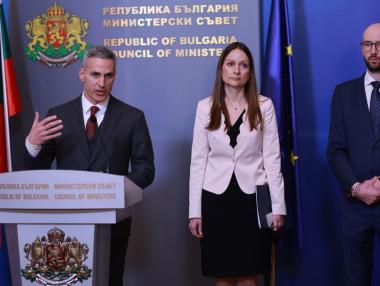
The engineering contract for the construction of the new units at the Kozloduy NPP will be extended. This was agreed upon by Acting Energy Minister Traicho Traikov
The volume of fuel sold in Bulgaria rose by more than a fifth in March – the first full month following the outbreak of the conflict in the Middle East
Labor costs for private enterprises in Bulgaria have increased by 407% in the last 10 years alone. This statistic, which does not include state, government, or municipal institutions
The caretaker government attempted to outline measures it will take to assist households and businesses due to higher fuel prices
Oil supplies for March will arrive. However, for April, "we will have to see how the military action develops and whether all contracts will be fulfilled."
Bulgaria must return €250 million to the European Commission, Finance Minister Georgi Klisurski said. This is part of the third payment under the Recovery Plan