Simona Gotsova
Public Finances
Inflation in Bulgaria Is Slowing, but Remains the Second-Highest in the Eurozone
This marks the second consecutive month of slowing price growth
© ECONOMIC.BG / Depositphotos
~ 1 min read

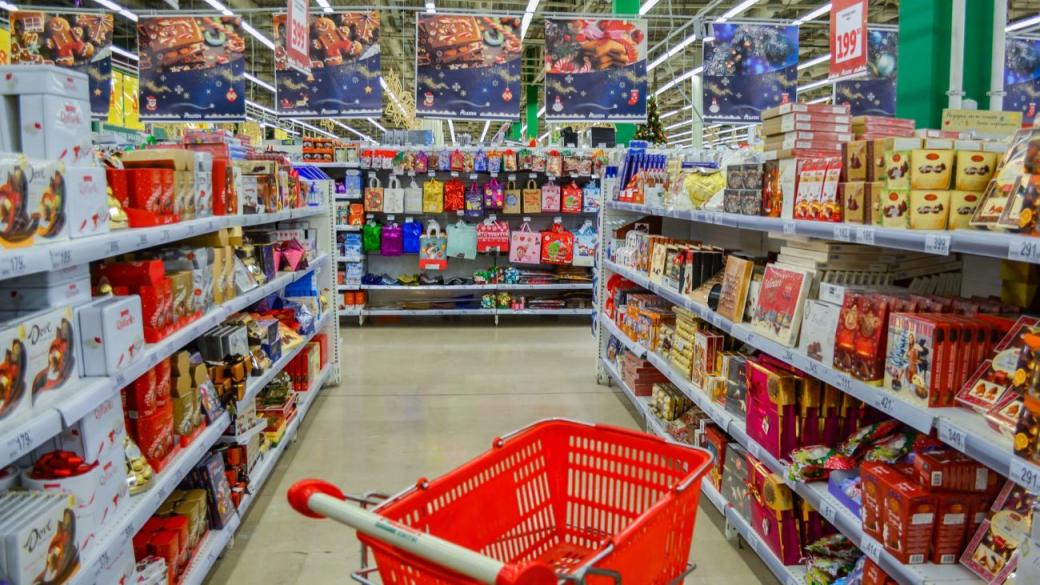
Inflation in Bulgaria continues to slow, but remains one of the highest in the eurozone. According to flash estimates from Eurostat, the European statistical office, the average price increase in Bulgaria in July was 4.1% year-over-year, compared to 5.2% in June and 6.3% in May. This marks the second consecutive month of a slowdown in the pace of price growth.
Over the month, prices rose by an average of 0.4 percent.
Despite the slowdown, Bulgaria remains in second place for inflation among the 21 eurozone countries—surpassed only by Lithuania at 5.6 percent. Cyprus (4%) and Spain (3.8%) are close to Bulgaria’s level, while at the other end of the spectrum are Estonia (2%) and Malta (2.1%).
Just a day earlier, the National Statistical Institute (NSI) published its flash estimates, which also showed a slowdown in the rate of price increases. According to the national methodology, annual inflation in Bulgaria stood at 4.4% in July, down from 5.4% a month earlier.
Prices in the Eurozone Are Accelerating
While inflation in Bulgaria is slowing, that in the Eurozone is moving in the opposite direction—it accelerated to 2.9% in July, up from 2.8% a month earlier. Energy remains the main driver, with prices jumping 10% year-over-year, up from 8.5% in June—a reflection of higher oil and natural gas prices following the blockade of the Strait of Hormuz.
Services rose by 3.3%, non-energy industrial goods by 0.9%, while food, alcohol, and tobacco products rose by 1.2%.
Translated with DeepL.